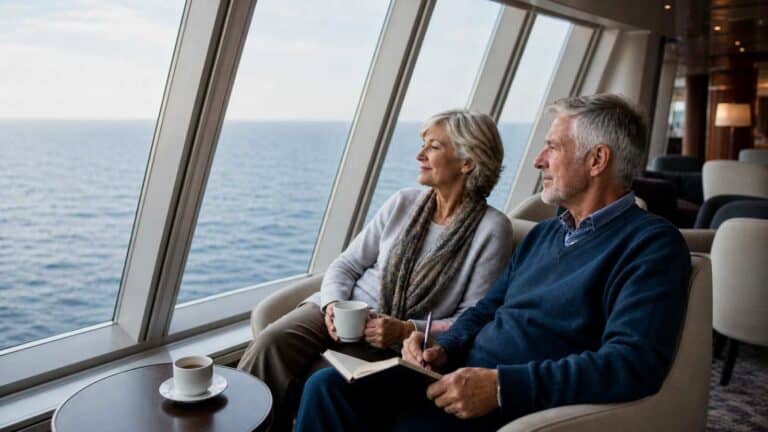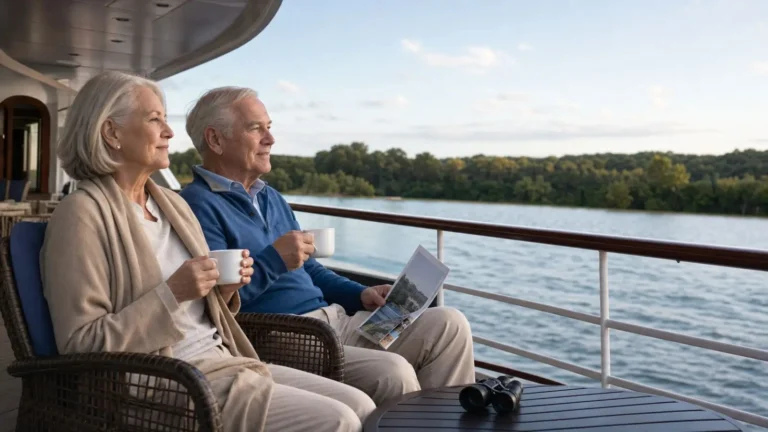

Best cruise lines are easier to choose when Margaret ignores the brochure
Tom spread seven cruise brochures across my kitchen table and looked at me as if I had assigned them for homework. Margaret poured coffee, glanced at the glossy covers, and said the most useful sentence of the morning: “none of these show the hallway to the elevator.”
That is the trouble with choosing the best cruise lines. the rankings can help, the photos can tempt, and the sales can hurry you, but the right answer depends on what kind of day your body, budget, family, and patience can actually enjoy.
I am Arthur Pendleton of ElderTrip.com, a retired history professor with more than 12 years of cruising behind me. I have sailed oceans and rivers, large ships and small ones, luxury lines and practical mainstream ships, and I have learned that a cruise line is not best in the abstract. it is best for a particular traveler on a particular trip.
In this guide
- When Margaret realized luxury meant fewer decisions
- When Harold discovered the river was really about walking pace
- When a smaller ship sounded charming until tenders entered the conversation
- When Dorothy closed the sale pages and asked the right question
- When Claire learned the grandchildren were not the only travelers
- When Margaret started judging ships from the bathroom outward
- When a quiet balcony mattered more than brochure romance
- When the right cruise line finally makes the trip feel easier
- When the traveler, not the ranking, chooses the ship
- When Tom’s table made the brochures stop shouting
- Arthur’s master verdict
- Questions I’m often asked
When Margaret realized luxury meant fewer decisions

Luxury cruise lines are best for seniors who want quiet, service, space, and fewer decisions once they board. they are not automatically best for travelers who want the lowest fare or a casual, busy atmosphere.
Margaret understood Regent before I did. she put the excursion sheet down after dinner and said, “Arthur, this line is charging us upfront so I do not have to negotiate with the vacation all week.” that is still the cleanest definition of luxury cruising I know.
What the higher fare has to prove
The useful question is not whether a luxury line is expensive. it is whether the higher fare replaces the things you would otherwise buy separately: drinks, Wi-Fi, gratuities, specialty dining, excursions, laundry, transfers, or simply calm.
Consumer Reports noted in its 2026 cruise line ratings that surveyed cruise spending varied widely, with typical cruise spending just over $2,750 per adult and some regions costing far more in its 2026 cruise line ratings. that is why I compare total cost, not just elegance.
For seniors, I would compare Regent Seven Seas, Silversea, Seabourn, Viking Ocean, and Oceania before deciding. Regent removes the most decisions. Silversea and Seabourn bring polished intimacy. Viking offers calm cultural cruising without full ultra luxury pricing. Oceania earns attention when food matters most.
For the full breakdown, see my guide to luxury cruise lines.
When Harold discovered the river was really about walking pace

River cruise lines are best for seniors who want history, scenery, smaller ships, and ports close to town. they are less ideal when cobblestones, slopes, and old city streets would make each day feel like a test.
Harold once called me from Ohio after circling Viking, AmaWaterways, Avalon, Uniworld, and Scenic on a brochure. he thought he was choosing a ship. Beverly, his wife, was quietly choosing whether she could enjoy Vienna without pretending her knees were younger.
Why the port day matters more than the lounge
The strongest river lines solve different problems. AmaWaterways gives useful excursion choice. Viking gives familiarity, structure, and adults only calm. Avalon deserves attention for cabin design. Uniworld and Scenic bring a more luxurious, inclusive style. American Cruise Lines helps seniors who want domestic rivers without international flights.
River cruising can be splendid because the ship becomes a small moving hotel. but the port is the point, and the port may involve old paving, uneven docks, bus transfers, stairs, and long guided walks. that is why I judge river lines less by their lounge chairs and more by their excursion pacing.
For the full breakdown, see my guide to best river cruise lines.
When a smaller ship sounded charming until tenders entered the conversation
Small ship cruise lines are best for seniors who want fewer passengers, quieter decks, better port access, and a ship that feels personal rather than enormous. they are not always easier, especially when tenders, older layouts, or limited medical facilities are involved.
Harold liked the phrase small ship immediately. Margaret ruined the romance, as good nurses do, by asking whether the ship had elevators to every deck and how often passengers had to tender ashore.
Small can mean calm, not effortless
Windstar, Azamara, Viking Ocean, Silversea, Seabourn, and Ponant all belong in the small ship conversation, but they do not offer the same kind of trip. Windstar feels relaxed and yacht like. Azamara gives longer port stays. Viking is calm and structured. Silversea and Seabourn bring luxury. Ponant leans international and expedition minded.
The trick is to separate intimacy from convenience. a smaller ship may feel civilized, but it may also have fewer dining choices, more motion, fewer accessible cabins, and more tender landings. for an able walker, that can be charming. for Robert Whitmore, who walks with a stick, it can change the whole trip.
For the full breakdown, see my guide to small ship cruise lines.
When Dorothy closed the sale pages and asked the right question
The best way to choose a cruise line is to start with your real travel day: ship size, walking distance, itinerary pace, cabin location, onboard atmosphere, and total cost. if you begin with the sale price, you are letting the brochure choose for you.
Dorothy from Florida wrote to me after midnight with six tabs open and three deposit deadlines blinking at her. I told her to close the sale pages and answer five questions: how much walking can I enjoy, how quiet do I need the ship to be, how much do I want included, who am I traveling with, and what would make me regret this by day three?
Why fit beats familiarity
That method works better than ranking lists because cruise lines are built around different assumptions. Royal Caribbean assumes activity. Viking assumes curiosity. Holland America assumes tradition. Regent assumes comfort and inclusion. Disney assumes children matter. Princess assumes familiar ease. Celebrity assumes modern premium style.
The best cruise lines become much clearer once you match the line to the traveler instead of matching the traveler to the line. the difference is not philosophical. it shows up in your feet, your bill, your sleep, and your mood at dinner.
For the full breakdown, see my guide on how to choose a cruise line.
When Claire learned the grandchildren were not the only travelers
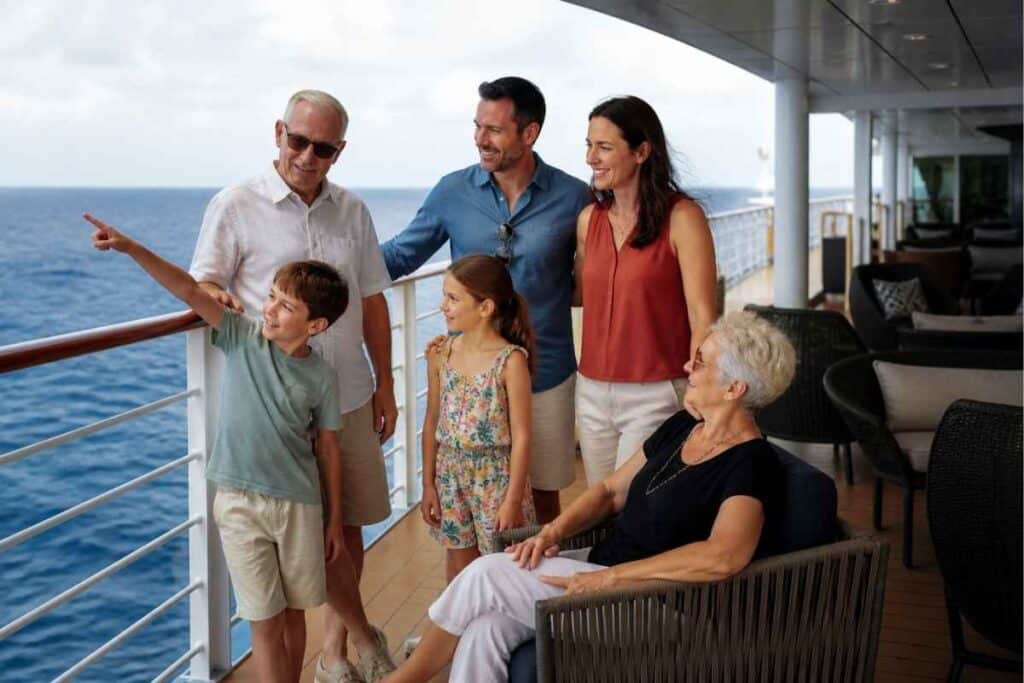
Family cruise lines are best when they serve children, parents, and grandparents without making one generation carry the whole vacation. the right line depends on the youngest child and the oldest adult.
Claire once wanted a family cruise where the grandchildren had water slides and Margaret had quiet coffee. that is not a contradiction. it is the normal mathematics of a multigenerational cruise.
The oldest traveler sets the real limit
Royal Caribbean is usually the first comparison for active families and teens because its large ships solve boredom with scale. Disney is strongest when children are young enough to love the characters, shows, and themed dining. Carnival wins many budget conversations. Norwegian helps families that dislike rigid dining. MSC can be attractive on price. Princess can work when grandparents set the pace, especially in Alaska.
The senior question is cabin location. if grandparents are far from elevators, too close to noise, or trapped on a ship that requires long daily walks, the family has not saved money. it has moved the cost into someone else’s knees.
For the full breakdown, see my guide to best cruise lines for families.
When Margaret started judging ships from the bathroom outward
The best cruise ship amenities for seniors are usually practical, not flashy. accessible cabin design, elevators, quiet dining, medical facilities, enrichment, Wi-Fi, shade, and flexible shore excursions matter more than features you photograph once.
Margaret starts every ship inspection in the bathroom. she checks the shower threshold, grab bars, lighting, storage, and whether a person can turn around without striking an elbow. I used to think this was unromantic. now I think it is wisdom with plumbing.
The useful amenities are often the quiet ones
Large ships often have more amenities, but they also bring longer walks and more crowds. smaller ships offer calm, but may have fewer medical resources or fewer accessible cabins. luxury ships include more, but the fare rises. family ships offer dazzling activities, but seniors may use only a fraction of them.
So I ask what an amenity does. does it reduce fatigue, cost surprise, confusion, pain, loneliness, or risk? if yes, it matters. if it merely makes the ship sound impressive, it goes lower on the list.
For the full breakdown, see my guide to best cruise ship amenities.
When a quiet balcony mattered more than brochure romance
Cruise lines for couples should protect time together: quiet dining, privacy, good cabins, manageable pacing, and enough space to enjoy the ship without feeling crowded. after 60, romance is often less about spectacle and more about peace.
Margaret and I once celebrated an anniversary on a ship where the dining room was lovely, the sea was calm, and the couple beside us argued about excursion tickets for 20 minutes. I remember the lesson more than the dessert.
Adult does not always mean romantic
Viking Ocean is my calm first comparison for many senior couples. Regent suits milestone anniversaries where decisions should disappear. Seabourn and Silversea offer intimate high service cruising. Celebrity brings modern premium style. Princess remains useful for couples who want familiar itineraries, good accessibility, and value.
Do not confuse adults only with romantic. Viking and Virgin Voyages both avoid children, but they serve very different couple moods. one is quiet and cultural. the other is lively and modern. both can be right, but not for the same anniversary.
For the full breakdown, see my guide to cruise lines for couples.
When the right cruise line finally makes the trip feel easier
The best cruise lines for seniors are worth it when they make travel simpler, safer, calmer, and more meaningful. a cruise line earns its place when it gives you the right ship, right pace, right cabin, right ports, and right bill.
Tom wanted a ranking. Margaret wanted a hallway distance. Dorothy wanted confidence. Claire wanted every generation happy. Harold wanted charm. Beverly wanted not to be worn out by lunch. all of them were really asking the same question: will this cruise respect the traveler I am now?
Permission to do less is part of the value
Cruise Critic’s senior cruise guide notes that older cruisers often value cultural enrichment, sophisticated dining, low impact adventure, bucket list destinations, inclusive pricing, and accessibility in its best cruises for seniors guide. that matches my own experience, though I would add one more thing: permission to do less.
A good cruise line gives you enough to enjoy without making you feel guilty for resting. it lets you skip a show, sit through sailaway, take the slow excursion, or eat early without feeling you have failed the vacation.
When the traveler, not the ranking, chooses the ship
Choose the right cruise line by naming your travel situation before naming a brand. are you a senior couple, a solo traveler, a grandparent paying for family, a mobility cautious traveler, a food focused traveler, or someone who simply wants the easiest possible week?
If you want calm and learning, start with Viking, Holland America, Oceania, or Cunard. if you want full luxury inclusion, compare Regent, Silversea, Seabourn, and Scenic. if you want family activity, compare Royal Caribbean, Disney, Carnival, Norwegian, MSC, and Princess. if you want river cruising, compare AmaWaterways, Viking, Avalon, Uniworld, Scenic, and American Cruise Lines.
The exact ship still has the final word
Then do the unglamorous work. check the exact ship, exact cabin location, exact itinerary, exact port pattern, exact tender situation, and exact included costs. the word best cannot protect you from a bad cabin, a noisy week, or a port schedule your body dislikes.
This is where rankings become useful again. once you know what you need, rankings help you compare the right lines instead of every line. a map is helpful only after you know where you are trying to go.
When Tom’s table made the brochures stop shouting
This table is how I would begin sorting the major choices at my kitchen table. it is not a final answer. it is a way to stop the brochures from shouting over one another.
| Cruise type | Best first lines to compare | Best for | Senior caution | Arthur’s pick |
|---|---|---|---|---|
| luxury | Regent, Silversea, Seabourn, Viking, Oceania | comfort, service, fewer decisions | higher fare | Regent for inclusion, Viking for practical calm |
| river | AmaWaterways, Viking, Avalon, Uniworld, Scenic | history, scenery, smaller ships | walking difficulty ashore | AmaWaterways for excursion choice |
| small ship | Windstar, Azamara, Viking, Silversea, Seabourn | quiet, access, personal service | tenders and fewer facilities | Viking or Azamara for many seniors |
| family | Royal Caribbean, Disney, Carnival, Norwegian, Princess | multigenerational trips | crowds and long walks | Royal Caribbean for mixed ages |
| couples | Viking, Regent, Seabourn, Silversea, Celebrity, Princess | quiet time together | wrong atmosphere ruins romance | Viking for calm couples |
| amenity focused | Celebrity, Princess, Holland America, Viking, Royal Caribbean | comfort, dining, accessibility, enrichment | flashy features may distract | Holland America or Viking for senior comfort |
| budget mainstream | Carnival, MSC, Norwegian, Royal Caribbean | lower base fares and activity | add ons and noise | Princess or Holland America if calm matters |
Arthur’s master verdict
For most senior couples who want calm, culture, and fewer children onboard, Viking is the first line I would compare. it is not the cheapest and not the most luxurious, but its atmosphere matches many older travelers beautifully.
For seniors who want traditional polish, accessibility, Alaska, longer itineraries, and a mature onboard crowd without luxury pricing, Holland America deserves a serious look. it is not flashy, which is part of the point.
For travelers who want the easiest luxury week and can afford the fare, Regent Seven Seas is the cleanest answer. you pay upfront so the ship stops asking you questions later.
For food focused seniors, Oceania belongs near the top of the list. for intimate luxury, Seabourn and Silversea are both excellent, with Silversea especially interesting when the itinerary becomes more adventurous.
For families with grandchildren, Royal Caribbean is the practical first comparison. Disney is wonderful for young children, Carnival can be the value answer, and Princess may be better when grandparents want a calmer rhythm.
For river cruising, I would compare AmaWaterways, Viking, Avalon, Uniworld, and Scenic first. the winner depends less on the lounge and more on the walking groups, cabin design, and river you choose.
My final answer is this: the best cruise lines are the ones that make your actual travel life easier. the one that looks best in a ranking may not be the one that treats your knees, sleep, wallet, and dinner conversation with the most respect.
Questions I’m often asked
These are the questions people ask me after the brochures have done their worst and common sense is trying to reenter the room.
What is the best cruise line for seniors overall?
For many seniors, I would compare Viking, Holland America, Princess, Oceania, Celebrity, and Regent first. Viking is calm and adults only, Holland America is traditional and accessible, Princess is practical for Alaska and couples, Oceania is strong for food, Celebrity is modern, and Regent is the easiest luxury choice.
Which cruise line is best for first time older cruisers?
Holland America, Princess, Celebrity, and Viking are good first comparisons. choose Holland America or Princess for familiar mainstream comfort, Celebrity for modern premium ships, and Viking if you want adults only calm and cultural programming.
Are luxury cruise lines worth it for seniors?
They can be worth it when included dining, drinks, excursions, gratuities, Wi-Fi, service, and quiet reduce stress. they are not worth it if the fare creates anxiety or if you will not use the included comforts.
Should seniors choose river cruises or ocean cruises?
Choose river cruises for history, small ships, close in ports, and a gentle onboard atmosphere. choose ocean cruises for more ship amenities, more itinerary variety, more sea days, and often stronger onboard medical facilities.
Which cruise line is best for families with grandparents?
Royal Caribbean is often the best first comparison because it offers activities for children, teens, parents, and grandparents. Princess can be better when the grandparents set the pace, while Disney is strongest when young children are the emotional center of the trip.
What cruise amenities matter most for older travelers?
Accessible cabin design, reliable elevators, quiet dining, medical facilities, Wi-Fi, shaded seating, enrichment, and flexible shore excursions matter most. water slides and huge theaters are useful only if your group will actually use them.
How do I avoid choosing the wrong cruise line?
Start with your mobility, budget, sleep needs, dining preferences, travel companions, and port expectations. then compare lines that match those needs, not lines that simply rank highly in a general list.
Best cruise lines are not chosen by applause. they are chosen by fit. Tom eventually stacked the brochures by traveler type instead of brand name, and Margaret finally approved the exercise because the elevator distance made it onto the first page. that, in my household, counts as progress.