The Snorkeling Shore Excursion for Seniors: 5 Best Ports and What to Know Before You Go
Beverly called me two weeks before our western caribbean cruise with a straightforward question. “arthur,” she said, “i’m 69 years old and i haven’t snorkeled since 1987. is this still something i can do?” beverly is a retired third-grade teacher from cincinnati with a replaced right hip and a healthy skepticism of anything involving fins. i told her yes, with conditions.
Choose the right port. choose shore entry over boat entry. wear the flotation vest that comes with the equipment, even if you think you don’t need it. and forget every snorkeling experience you had in 1987, because the gear has improved considerably.
She went. she saw a sea turtle at chankanaab marine park in cozumel. she has not stopped talking about it.
A snorkeling shore excursion is genuinely one of the most accessible water activities available from a cruise port, provided you understand the differences between operators, sites, and entry methods. most travel guides treat snorkeling as a uniform category. it isn’t.
The gap between a well-chosen snorkeling excursion and a poorly chosen one is the difference between beverly’s sea turtle and a miserable hour in choppy open water trying to board a ladder from the back of a boat.
Here is what i’ve learned over a dozen caribbean cruises.
In This Guide
- Shore entry vs. boat entry: the most important decision
- The 5 best snorkeling shore excursion ports for seniors
- Gear, flotation, and the vest most seniors leave behind
- How to book a snorkeling excursion without getting burned
- Snorkeling port comparison table
- Arthur’s verdict
- Questions i’m often asked
Shore Entry vs. Boat Entry: The Most Important Decision
This is the one thing i wish someone had told me before i booked my first snorkeling shore excursion. the industry rarely distinguishes clearly between two fundamentally different types of snorkeling excursion, and for seniors, the distinction is everything.
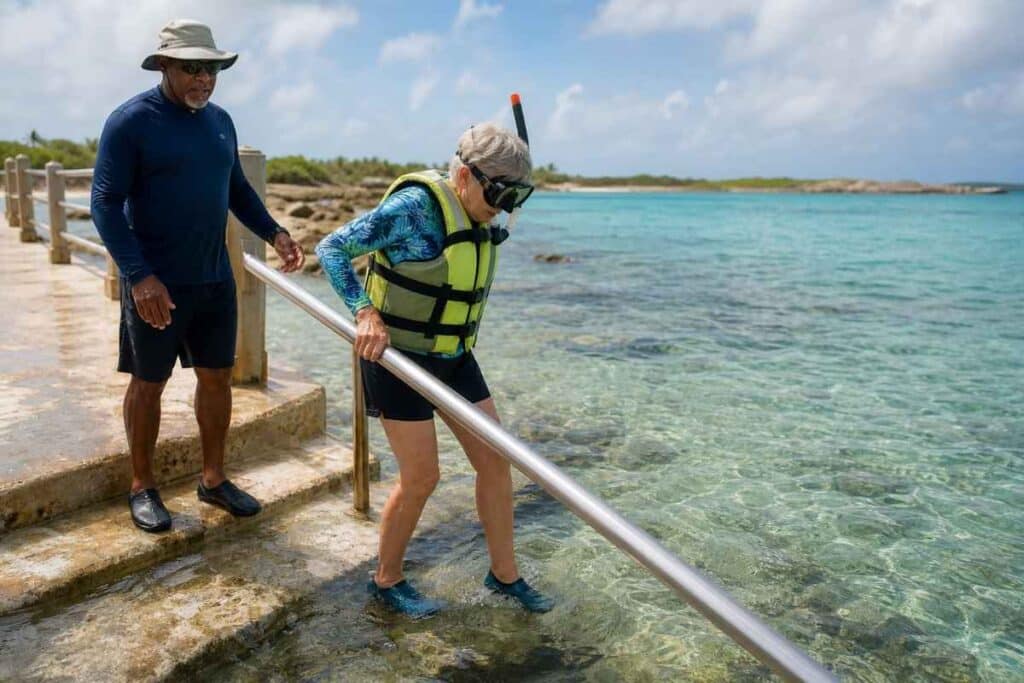
Shore Entry Snorkeling
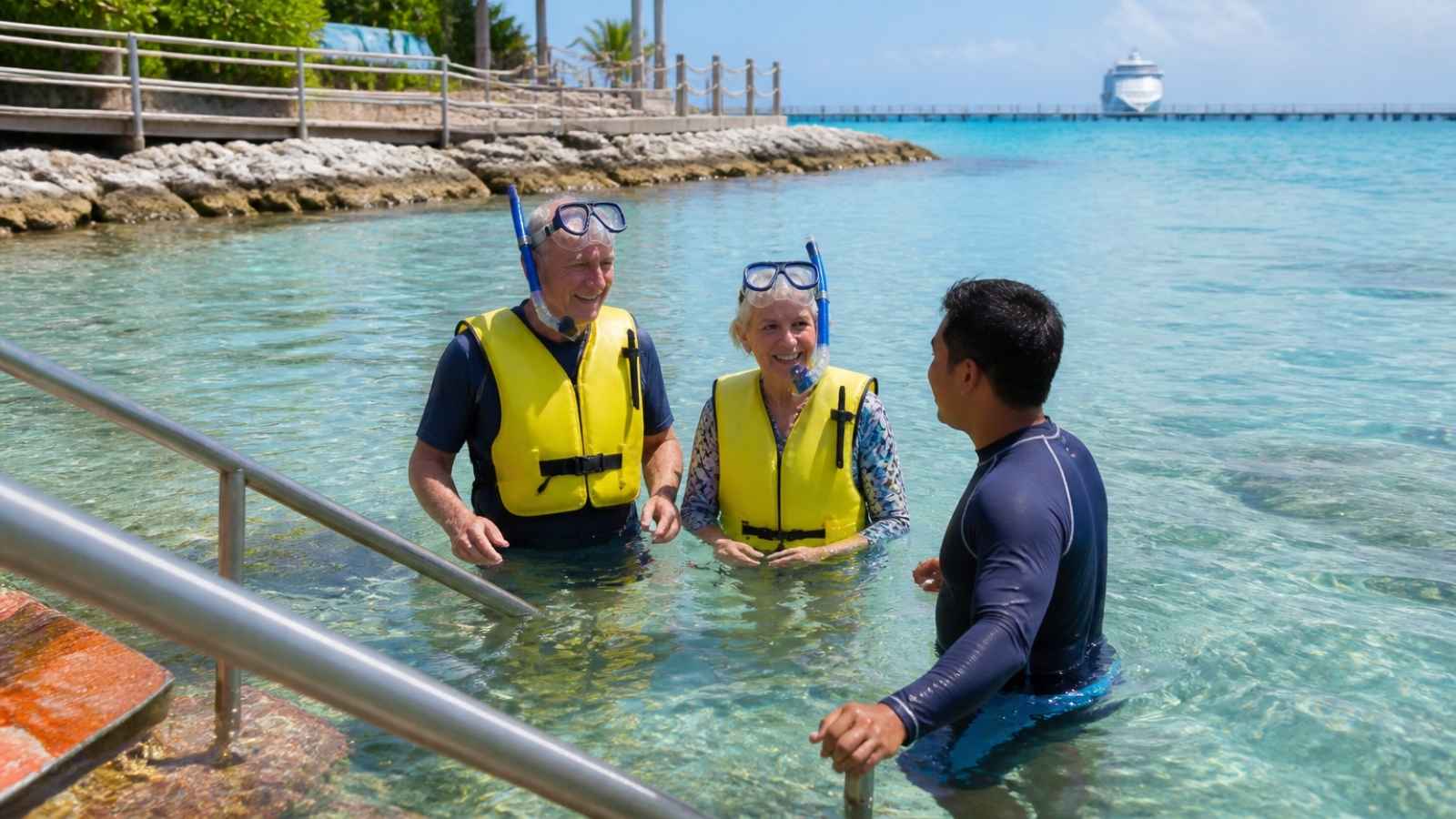
Shore entry means you walk into the water directly from a beach or a marine park platform. no boarding ladders. no climbing back up the side of a bobbing boat while wearing fins. no current to fight when you’re tired. you enter at your own pace, float above the reef, and exit when you’re ready.
For anyone with hip or knee issues, limited upper body strength, or simply a reasonable preference not to haul themselves out of the ocean via a six-rung ladder, shore entry is the right choice. chankanaab marine park in cozumel is the best example of this format. you enter from a purpose-built platform into calm, protected water. the reef starts at three to five feet of depth and the marine life is extraordinary. robert, who walks with a stick on land, managed chankanaab without difficulty.
Boat Entry Snorkeling
Boat entry means you travel by vessel to a reef site and enter the water from the back of the boat. the return requires climbing a boarding ladder, usually while wearing fins, in moving water, while other passengers wait. this is manageable for most adults with good upper body strength. for seniors with joint issues or limited strength, it is genuinely difficult.
Cruise ship snorkeling brochures almost never mention this. they show photographs of people floating peacefully above coral. they do not show the boarding ladder.
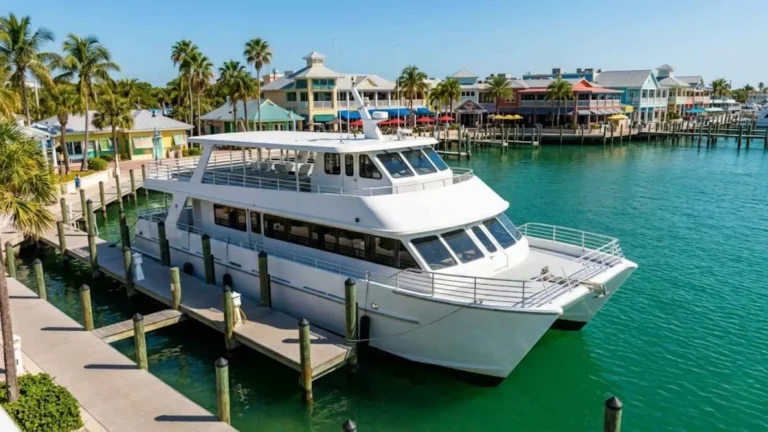
Not all boat snorkeling is equally demanding. the catamaran-format tours in cozumel use low swim platforms at water level, which are much easier than traditional ladder boarding. if you are booking a boat-based snorkeling tour, ask specifically about the boarding method before you commit. for a broader look at catamaran-based water excursions from cruise ports, my guide to catamaran cruises for seniors covers the full range of options.
The 5 Best Snorkeling Shore Excursion Ports for Seniors
1. Cozumel, Mexico
Cozumel is the most visited cruise port in the western caribbean, and justifiably so. the island’s western reefs sit at the edge of the mesoamerican barrier reef, the second-longest reef system in the world at nearly 700 miles, and visibility in some areas reaches 250 feet.
Palancar reef and colombia reef are the headline sites for boat-based tours, while chankanaab marine park offers the best shore-entry snorkeling in the entire caribbean. the park includes equipment, a guide, beach access, shaded palapas, and locker storage. chankanaab’s official adult admission is listed around $31, though cruise excursion packages may bundle that cost differently.
This is the option i recommend for first-timers or anyone with mobility concerns. book early, since morning spots in chankanaab fill quickly when multiple ships are in port.
2. Bonaire, Dutch Caribbean
Bonaire established a marine preserve in 1979 that now protects every inch of shoreline from the high-water mark to 200 feet deep. the result is one of the healthiest reef systems in the caribbean, with visibility regularly reaching 200 feet and coral coverage that makes caribbean counterparts look thin.
Yellow-painted stones beside the road mark every shore dive and snorkel site. you walk to the water and enter directly. the only logistical note: bonaire separates its visitor entry tax from its stinapa nature fee, so check the current official fee rules before booking. factor that into your budget.
Klein bonaire, the small uninhabited island just offshore, is reachable by water taxi and offers equally spectacular reefs without the shore traffic.
3. Grand Turk, Turks and Caicos
Grand turk sits at the edge of an extraordinary underwater wall that drops 7,000 feet into the turks island passage. cruise ship excursions run catamaran snorkel tours to this wall and to gibbs cay, a small island where wild southern stingrays gather in water shallow enough to stand in.
These rays have interacted with visitors for decades and are entirely habituated to human presence. standing knee-deep while stingrays glide past your ankles is genuinely unlike anything else available from a caribbean cruise port. the key timing note: arrive at the site before 9 a.m. when the water is calmest and clearest. the afternoon brings chop and reduced visibility.
4. Nassau, Bahamas
Nassau offers a different style of snorkeling excursion, centered on underwater wreck sites and reef systems easily reached from shore. the sites include a famous sunken airplane that was used in a film and deliberately scuttled, making it one of the stranger and more memorable underwater attractions in the caribbean.
The nassau reef tours also encounter sharks on most outings. the sharks are nurse and caribbean reef species, not open-water hunters. they’re accustomed to snorkelers and are the main draw for many visitors.
5. St. Thomas, U.S. Virgin Islands
Trunk bay on st. john, accessible by ferry from st. thomas, carries an underwater snorkel trail with labeled coral formations. it’s designed for beginners and is arguably the most senior-accessible guided snorkel experience in the caribbean.
Signs along the trail identify species and explain the ecosystem without requiring you to surface and listen to an instructor. the water is calm, the depth is manageable, and the marine life, including sea turtles and parrotfish, reliably appears. the ferry ride from st. thomas adds logistics but most seniors find the combination comfortable.
For comparison with other water-based activities available from the same ports, including dolphin cruise excursions out of florida, see my guide to dolphin cruise excursions for seniors.
Gear, Flotation, and the Vest Most Seniors Leave Behind
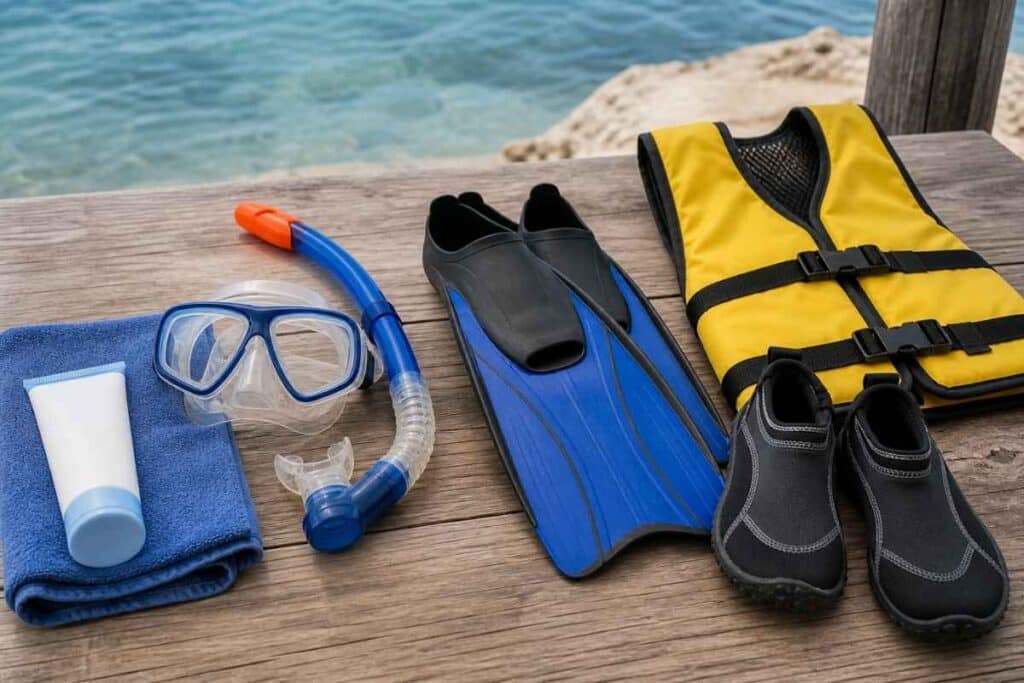
Don’t let the marketing fool you. every snorkeling excursion brochure shows lean, confident adults gliding effortlessly above coral. real snorkeling, especially for someone who hasn’t done it in decades, requires a bit more preparation.
The single most important piece of equipment for seniors is the flotation vest, also called a buoyancy vest or snorkel vest. it looks like an inflatable life vest worn around the chest. every reputable snorkeling tour operator includes one with the rental equipment, but many participants refuse it because it looks unnecessary or embarrassing. it is neither.
It keeps you effortlessly at the surface, eliminates the need to kick continuously, dramatically reduces fatigue, and means that if you lose your snorkel or feel momentarily panicked, you float without any effort at all. beverly wore hers and floated above the reef for 45 minutes without tiring. accept the vest.
Equipment Checklist Before You Enter the Water
- Silicone mask that seals against your face (ask the guide to check the fit before you enter)
- Snorkel with a dry-top valve, which prevents water from flooding the tube if a wave washes over you
- Fins that fit snugly but don’t pinch (loose fins cause blisters within 20 minutes)
- Flotation vest, worn and inflated to your comfort level
- Reef-safe sunscreen applied at least 30 minutes before entering the water (standard sunscreens are banned in many marine parks and damage coral)
- Water shoes if the entry is over rocky or uneven terrain
One note on medical considerations: consult your physician before booking a snorkeling excursion if you have any history of heart or respiratory conditions. breathing through a snorkel tube does create mild resistance, and extended face-down floating can slightly restrict breathing for those with pulmonary sensitivities. for the majority of seniors in good general health this is not an issue, but it is worth the conversation with your doctor before you go.
How to Book a Snorkeling Excursion Without Getting Burned
Here’s what the booking websites won’t tell you. the phrase “suitable for all skill levels” in a snorkeling excursion description means almost nothing. it is a marketing line, not an assessment. what you need to know is: shore or boat entry, depth of the snorkel site, group size, and what happens if you want to exit the water early.
Ask the operator three questions before confirming any booking:
- “How do participants enter and exit the water?” (Shore platform, beach entry, or boat ladder)
- “What is the typical depth at the snorkel site?” (Under 15 feet is ideal for beginners; sites like el cielo in cozumel are three to four feet deep)
- “Is a flotation vest provided, and is it optional or encouraged?” (Any operator who discourages the vest is not prioritizing your safety)
Carnival’s catamaran snorkeling tour at grand turk includes a specific maximum age restriction of 70 years on some departures, which is worth verifying before you book if you’re near or above that age. most independent operators do not impose this restriction, but it’s another reason to read the fine print carefully.
Snorkeling Shore Excursion Port Comparison Table
| Port | Best entry type | Visibility | Signature marine life | Approx. price | Arthur’s rating |
|---|---|---|---|---|---|
| Cozumel (Chankanaab) | Shore / platform | Excellent (50–100 ft) | Sea turtles, parrotfish, barracuda | From $45 to $75 pp | Excellent |
| Bonaire (shore sites) | Shore / beach | Outstanding (up to 200 ft) | Healthy coral gardens, rays, turtles | Check current visitor and nature fees + gear | Excellent |
| Grand Turk (Gibbs Cay) | Boat / catamaran | Very good (60–80 ft) | Wild stingrays, tropical fish | From $55 to $80 pp | Very good |
| Nassau (reef and wrecks) | Boat with platform | Good (40–60 ft) | Nurse sharks, rays, reef fish | From $50 to $70 pp | Good |
| St. Thomas / Trunk Bay | Shore / beach trail | Very good (50–70 ft) | Sea turtles, labeled reef trail | From $15 park fee + ferry | Very good |
Arthur’s Verdict
The snorkeling shore excursion is more accessible than most seniors realize, and less accessible than most brochures suggest. the honest path between those two statements is choosing shore entry over boat entry wherever possible, accepting the flotation vest without embarrassment, and selecting a port where the reef begins in shallow protected water rather than requiring a boat crossing to open ocean.
Cozumel’s chankanaab park is the answer for most first-timers and anyone with mobility concerns. bonaire is the answer for those who want the best reef ecosystem in the caribbean and don’t mind paying for it. grand turk’s gibbs cay is the answer for anyone who wants an experience that genuinely cannot be replicated anywhere else on a standard caribbean itinerary.
Beverly went back to cincinnati, bought a snorkel vest, and is already asking about bonaire. i consider that a success.
Want tips like these every week?
Arthur & Margaret share honest cruise reviews, senior-friendly port guides, and exclusive deals — straight to your inbox. 2,000+ readers. No spam.
Questions I’m Often Asked
Can I snorkel if I’m not a strong swimmer?
Yes, with conditions. the flotation vest is your answer here. with a properly fitted vest inflated to your comfort level, you float effortlessly at the surface without needing to swim continuously.
You do need to be comfortable putting your face in the water and breathing through a tube, which takes a few minutes to get used to. practice in the pool before your cruise if you haven’t done it before. a calm, shallow shore-entry site like chankanaab makes the learning curve as gentle as possible.
Is a snorkeling shore excursion safe for seniors with heart conditions?
Consult your physician before booking. snorkeling through a tube creates mild breathing resistance, and extended face-down floating raises the heart rate modestly. for most seniors in good general cardiovascular health this is not a concern, but your doctor knows your specific situation.
Some cruise line operators list heart or respiratory conditions as contraindications and will not allow boarding without a doctor’s note. check the operator’s restrictions before you pay.
What is the best Caribbean port for first-time snorkelers?
Cozumel’s chankanaab marine park is my consistent recommendation. shore entry, protected calm water, a reef that begins at three to five feet of depth, extraordinary marine life including sea turtles, and organized guide services designed for beginners.
It’s genuinely hard to have a poor experience here if you accept the flotation vest and take five minutes to get comfortable with the mask and snorkel in shallow water before moving to the reef.
Should I use my own snorkel gear or rent from the operator?
Renting from a reputable operator is fine and more convenient than transporting gear. the key is ensuring the mask fits your face properly before you enter the water. a mask that doesn’t seal to your skin floods every few minutes and ruins the experience.
Take two minutes at the surface before descending to check the seal. if the guide offers a different mask that fits better, take it. bringing your own prescription mask is worth the luggage space if you wear glasses and struggle with standard masks.
How long does a typical snorkeling shore excursion last?
Most guided snorkeling excursions run two to three hours total, with 45 to 75 minutes of actual time in the water. shore-based excursions at parks like chankanaab allow you to snorkel at your own pace for as long as the park is open, giving you considerably more flexibility.
Boat-based tours are on the captain’s schedule. if you’re uncertain about your endurance, a shore-based excursion at a marine park is the better format precisely because you can exit the water whenever you choose.
A Note on Reef Protection
The reefs we’re discussing, and that make these snorkeling excursions worth booking, are under genuine stress from climate change and visitor impact. use reef-safe sunscreen without oxybenzone and octinoxate. don’t touch coral formations, even accidentally.
Choose tour operators certified by green fins or similar conservation programs. bonaire’s visitor and nature fees help fund active reef protection work, so verify the current amount before you go. the reefs need visitors who understand what they’re looking at, and what it would mean to lose it.